The most beloved of Peruvian writers died at the age of 87 in Lima. His endearing characters and the tragicomic humor of his novels and short stories outlive him. Here is a selection of six of his essential books.
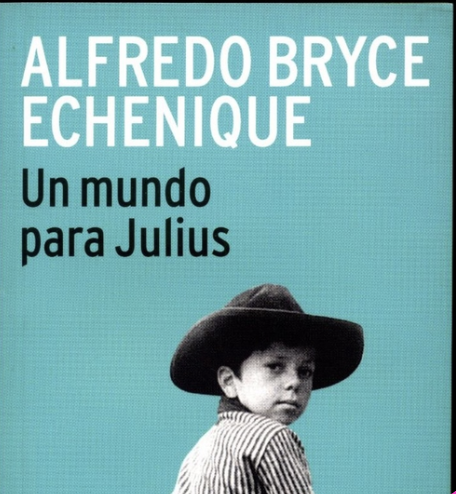
- “Un mundo para Julius (1970)” [ A world for Julius ]
- Often considered his best known novel, A World for Julius portrays class divisions in Peru through the eyes of a child.
- The book became a landmark of Latin American literature for its irony, tenderness, and sharp social critique. Its innocence and sadness make its social observations even more powerful.
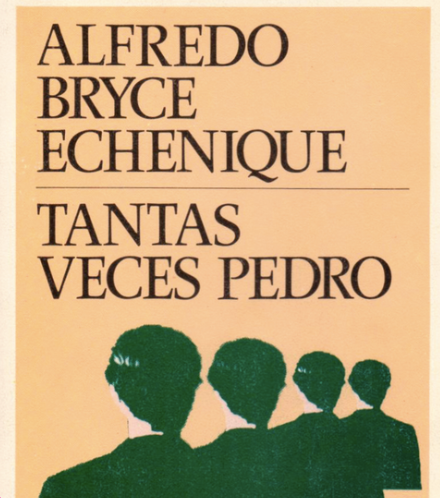
2. “Tantas veces Pedro (1977)” [ So Many Times, Pedro ]
- The novel follows Pedro Balbuena, a Peruvian writer living in Paris who struggles with loneliness, failed relationships, and constant nostalgia for his past. He repeatedly remembers and reimagines his relationship with Sophie, a woman who seems to appear and disappear throughout his memories and fantasies.
- The story shifts between reality, dreams, and imagination, showing how Pedro copes with heartbreak and isolation. The novel portrays the emotional confusion of exile and the difficulty of understanding love and identity.
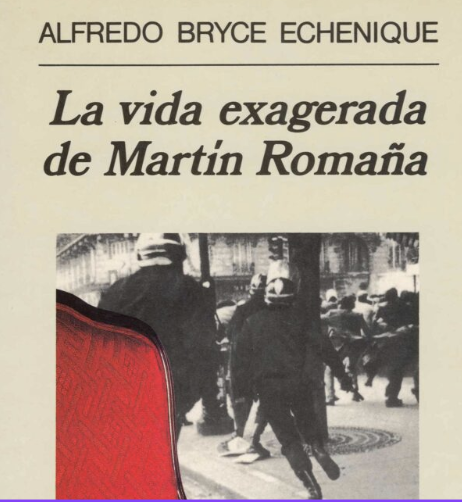
3. “La vida exagerada de Martín Romaña (1981)” [The Exaggerated Life of Martín Romaña]
- One of Bryce Echenique’s most celebrated novels, the story follows Martín Romaña as he navigates exile, love, confusion, and the search for identity while living in Paris. Through letters, memories, and self reflection, Martín turns everyday struggles into exaggerated and often humorous moments.
- The novel captures both the loneliness and absurdity of life abroad, especially for a young Latin American trying to understand where he belongs. The story stands out for its deeply personal voice and emotional honesty.
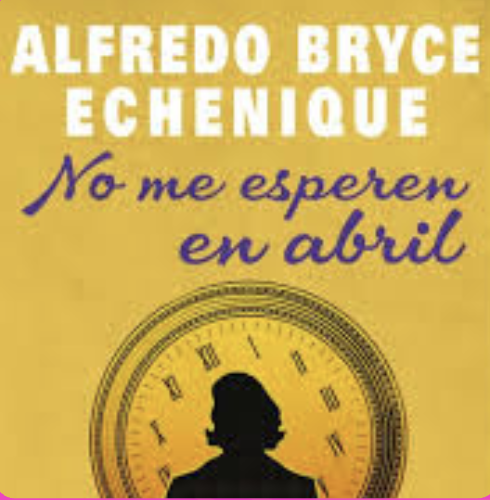
4. “No me esperen en abril (1995)” [Don’t Wait for Me in April]
- Set in Lima during the 1950s, the novel follows Manongo Sterne, a young boy growing up in an upper class neighborhood. As Manongo and his friends move from childhood into adolescence, they begin to confront jealousy, betrayal, and the pressure to fit into the social world around them.
- The story captures the innocence and awkwardness of youth while also revealing the emotional challenges of growing up. The novel reflects on nostalgia, lost friendships, and the moment when childhood slowly gives way to adulthood.
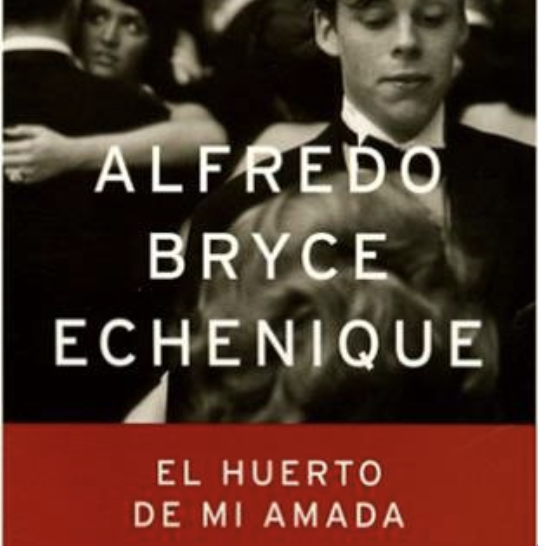
5. “El huerto de mi amada (2002)” [The Garden of My Beloved]
- In My Beloved’s Garden, Bryce Echenique explores memory, desire, and the emotional intensity of first love.
- The novel reflects his signature style: intimate, nostalgic, and deeply human. It is a story that lingers for the way it turns personal feeling into literature.
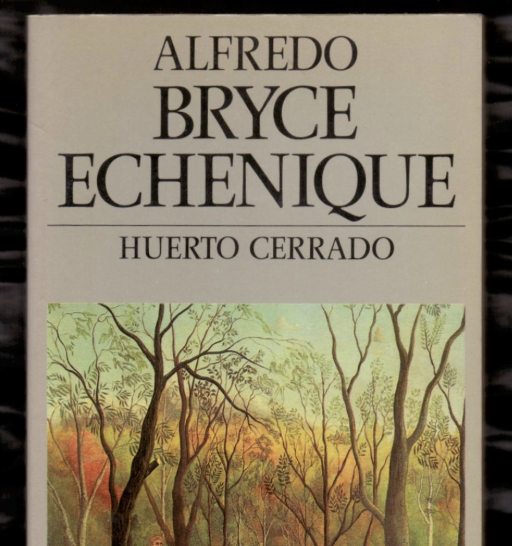
6. “Huerto Cerrado (1968)” [A Closed Orchard]
- This short story collection introduces readers to the early literary world of Alfredo Bryce Echenique, focusing on young characters navigating loneliness, friendship, and social class in Lima. Many of the stories follow adolescents as they confront emotional vulnerability, family expectations, and the confusing transition from childhood to adulthood.
- Through simple but deeply personal moments, the collection reveals the sensitive and reflective narrative voice that would later define Bryce Echenique’s novels.
Spanish Version
- “Un mundo para Julius (1970)”
A menudo considerada su novela más conocida, retrata las divisiones de clase en el Perú a través de los ojos de un niño.
El libro se convirtió en un referente de la literatura latinoamericana por su ironía, ternura y aguda crítica social. Su mezcla de inocencia y tristeza hace que sus observaciones sociales sean aún más poderosas.
2. “Tantas veces Pedro (1977)”
La novela sigue a Pedro Balbuena, un escritor peruano que vive en París y que lucha con la soledad, relaciones fallidas y una constante nostalgia por su pasado. Repite y reimagina su relación con Sophie, una mujer que parece aparecer y desaparecer entre sus recuerdos y fantasías.
La historia alterna entre la realidad, los sueños y la imaginación, mostrando cómo Pedro enfrenta el desamor y el aislamiento. La novela retrata la confusión emocional del exilio y la dificultad de entender el amor y la identidad.
3. “La vida exagerada de Martín Romaña (1981)”
Una de las novelas más celebradas de Bryce Echenique, sigue a Martín Romaña mientras atraviesa el exilio, el amor, la confusión y la búsqueda de identidad viviendo en París. A través de cartas, recuerdos y reflexiones personales, Martín convierte situaciones cotidianas en momentos exagerados y muchas veces humorísticos.
La novela captura tanto la soledad como lo absurdo de la vida en el extranjero, especialmente para un joven latinoamericano que intenta entender dónde pertenece. Destaca por su voz profundamente personal y su honestidad emocional.
4. “No me esperen en abril (1995)”
Ambientada en Lima durante los años 50, la novela sigue a Manongo Sterne, un joven que crece en un barrio de clase alta. A medida que él y sus amigos pasan de la infancia a la adolescencia, comienzan a enfrentarse a los celos, la traición y la presión de encajar en el mundo social que los rodea.
La historia captura la inocencia y la incomodidad de la juventud, mientras revela los desafíos emocionales de crecer. La novela reflexiona sobre la nostalgia, las amistades perdidas y el momento en que la infancia da paso lentamente a la adultez.
5. “El huerto de mi amada (2002)”
En esta obra, Bryce Echenique explora la memoria, el deseo y la intensidad emocional del primer amor.
La novela refleja su estilo característico: íntimo, nostálgico y profundamente humano. Es una historia que perdura por la forma en que convierte los sentimientos personales en literatura.
6. “Huerto cerrado (1968)”
Esta colección de cuentos introduce a los lectores al mundo literario temprano de Alfredo Bryce Echenique, enfocándose en personajes jóvenes que enfrentan la soledad, la amistad y las diferencias de clase en Lima. Muchas de las historias siguen a adolescentes que lidian con la vulnerabilidad emocional, las expectativas familiares y la confusa transición de la infancia a la adultez.
A través de momentos simples pero profundamente personales, la colección revela la voz narrativa sensible y reflexiva que luego definiría sus novelas.